
Washington, DC-based Elmo's HVAC Services examines new rental housing heating and cooling requirements, following reported apartment HVAC failures and changes to the District's temperature regulations.
-- Imagine spending the hottest days of summer inside an apartment where the air conditioning has stopped working. Opening the windows brings little relief, and each passing day raises the same question: when will someone fix it? For residents of one Washington, DC apartment building, that situation became the subject of a lawsuit in September 2026. Now, as the District prepares to change its heating and cooling requirements for rental housing, locally owned Elmo's HVAC Services LLC is highlighting the importance of properly maintained systems and what property owners should understand before the new rules take effect in 2027.
The changes follow legislation approved by the DC Council on October 6, 2026, extending the required cooling season and adjusting the heating schedule for rental properties.
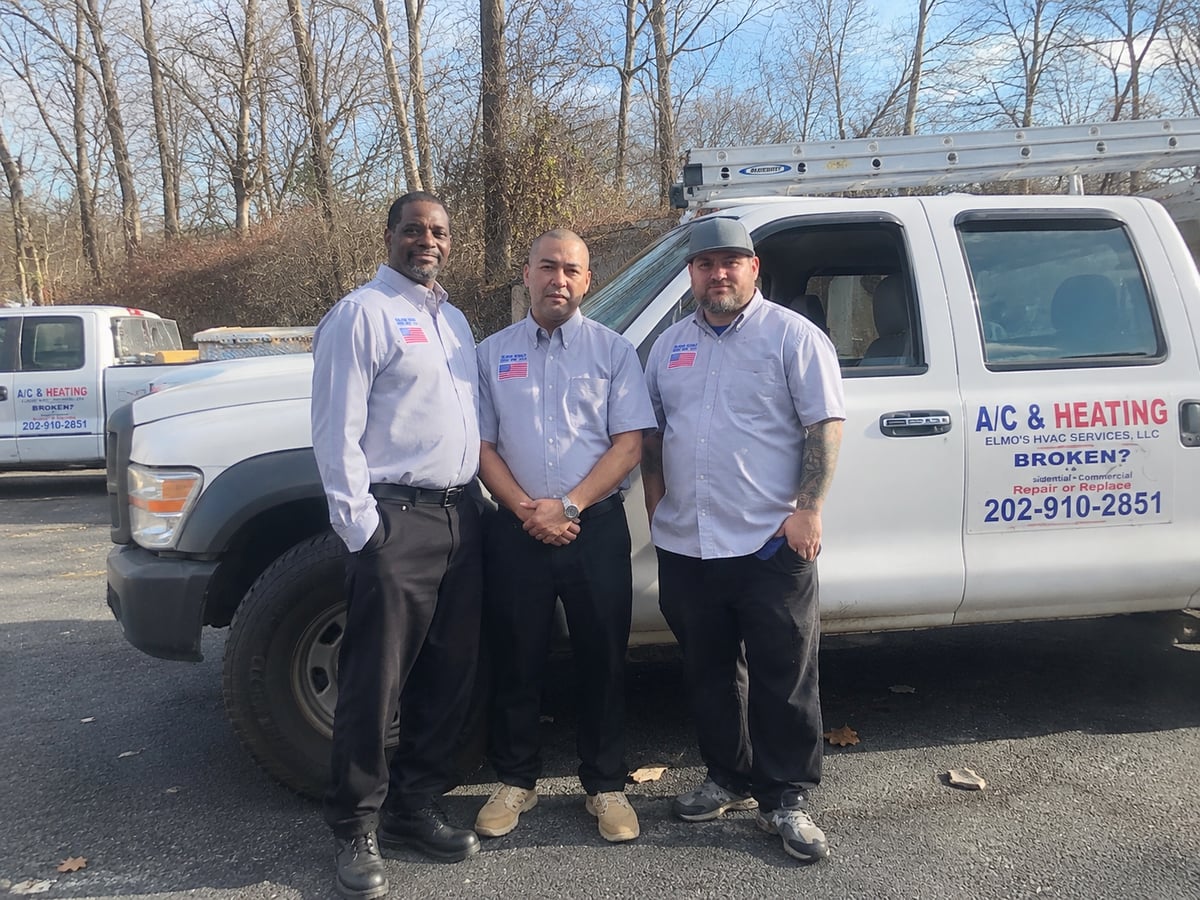
For Edward Johnson, owner of Elmo's HVAC Services, the conversation is about more than dates on a calendar. It concerns whether the heating and cooling equipment inside a building can actually provide the temperatures residents depend on.
A Summer Without Working Air Conditioning
On September 2, 2026, DC Attorney General Brian Schwalb announced a lawsuit against the owners and managers of Delta Pearl, a 166-unit apartment building located at 1400 Florida Avenue NE.
According to the Office of the Attorney General, the building's central air conditioning stopped working on July 1, leaving residents without cooling during the hottest period of summer.
The lawsuit also alleged other serious building maintenance problems, including persistent water leaks, elevator failures, and unsafe property conditions.
The case illustrates how a building-wide equipment failure can affect far more than indoor comfort.
When central air conditioning stops working during extreme temperatures, residents may have limited options for relief, particularly in apartment buildings where heating and cooling are controlled through shared mechanical systems.
The situation also raises questions about preventive maintenance and whether equipment problems could have been identified before a major failure.
DC Approves New Temperature Requirements
Washington's updated heating and cooling legislation is intended to reflect changing seasonal temperatures and improve living conditions for renters.
Under the legislation approved by the DC Council, landlords who provide air conditioning as part of a rental agreement would be required to make cooling available from May 1 through October 1, rather than the previous May 15 through September 15 period.
The legislation also establishes a heating season running from October 15 through April 15, with a minimum indoor temperature of 68°F, subject to specified exceptions.
The cooling standard generally requires indoor temperatures to remain no higher than 78°F or at least 15°F below the outdoor temperature, whichever threshold is higher.
According to the DC Council's October announcement, the changes are intended to become effective in time for the 2027 cooling season.
The new requirements do not mean every landlord must install air conditioning in a building that does not currently provide it. The expanded cooling obligation applies to properties where air conditioning is included as a service.
For building owners, however, the longer cooling period means equipment may need to remain operational later into the fall.
The Problem With Older Heating and Cooling Systems
Washington's residential building stock includes older row houses, apartment buildings, and commercial properties with different types of heating and cooling equipment.
Some use individual furnaces and air conditioners. Others rely on boilers, radiators, central cooling systems, or heat pumps.
In certain buildings, a shared piping system carries either heated or chilled water, requiring a seasonal changeover between heating and cooling.
These systems can present challenges when outdoor temperatures fluctuate between unusually warm afternoons and colder evenings.
A system designed to operate in one mode at a time may not be able to switch immediately between heating and cooling.
This is one reason that extending the cooling season requires more consideration than simply changing a thermostat setting.
"People sometimes think that if the air conditioning or heating isn't working, it must be one simple problem," said Edward Johnson, owner of Elmo's HVAC Services. "But you have to understand the system first. It might be a failed component, a control issue, poor airflow, or a problem affecting the entire building. The diagnosis matters because the wrong repair doesn't solve anything."
Elmo's HVAC Services provides residential and commercial HVAC installation, maintenance, troubleshooting, and repair services in Washington, DC, and advertises service throughout surrounding DMV communities.
Small Warning Signs Before a Major Breakdown
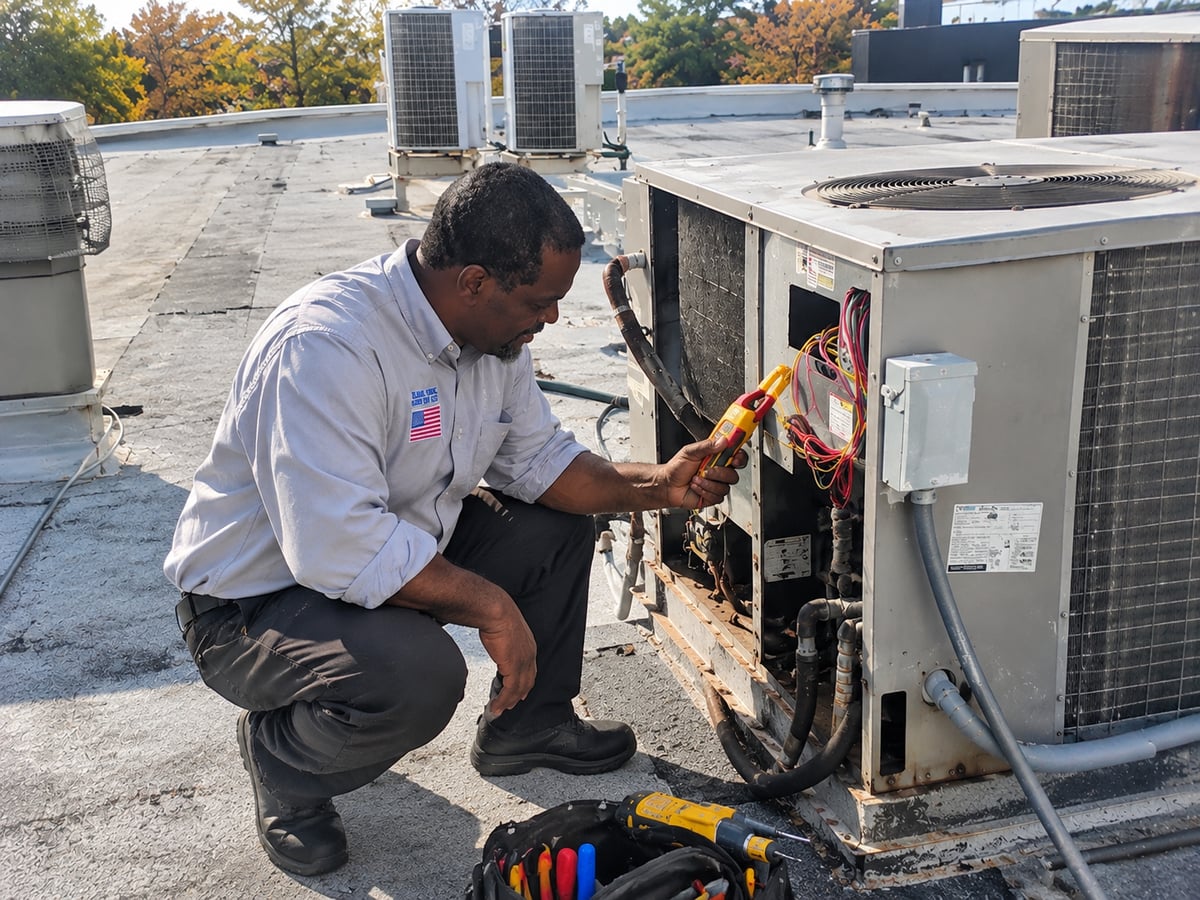
Heating and cooling systems often show signs of trouble before they stop working completely.
An air conditioner may run continuously without reaching the thermostat setting. A furnace may repeatedly shut off before the space becomes warm. A boiler may heat some rooms normally while others remain uncomfortable.
Unusual sounds, water around equipment, inconsistent airflow, and repeated service interruptions can also indicate that further evaluation is needed.
Not every problem requires equipment replacement.
Clogged filters, dirty coils, malfunctioning controls, and worn components may be repairable, depending on the equipment's age and condition.
Johnson believes explaining the difference between repairable problems and larger equipment failures should be part of every service visit.
"If a system can be repaired safely and reliably, homeowners should understand that option," Johnson explains. "If the equipment is reaching the point where repairs are becoming frequent, we need to explain that too. Nobody should be surprised by a major heating failure when there were warning signs beforehand."
For property managers, documenting maintenance history and addressing recurring complaints can also help identify problems affecting several units.
Winter Plumbing Creates Another Concern
While Washington prepares for updated cooling requirements, the approaching winter introduces a different property maintenance risk.
Cold temperatures can expose vulnerable water supply lines, especially in unheated basements, crawl spaces, garages, and areas near exterior walls.
DC Water advises residents to protect exposed plumbing, disconnect outdoor hoses, and take precautions to reduce the risk of frozen pipes.
A frozen pipe may restrict water flow, but the more serious damage can occur when the pipe splits and begins leaking after temperatures rise.
Heating failures can increase the risk when indoor spaces become cold enough for exposed plumbing to freeze.
Elmo's HVAC Services also provides plumbing-related services, including water heater maintenance, drain cleaning, garbage disposal installation, and plumbing repairs.
Although heating systems and household plumbing perform different functions, maintaining both becomes particularly important when cold weather arrives.
What Residents and Property Owners Can Do
For tenants experiencing inadequate heating or cooling, the DC Department of Buildings recommends reporting problems to property management and requesting an inspection when housing standards are not being met.
The department can be contacted at (202) 671-3500.
Property owners should review equipment maintenance records, investigate recurring temperature complaints, and confirm that their heating and cooling systems can meet applicable requirements.
They should also check the status and effective dates of updated regulations before making compliance decisions.
The broader lesson from DC's recent apartment maintenance cases is that reliable heating and cooling cannot be guaranteed simply by having equipment installed.
The systems must be maintained, monitored, and repaired when performance begins to deteriorate.
As Washington prepares for the 2027 cooling season, those responsibilities will become increasingly important for residents, landlords, and commercial property operators.
Contact Info:
Name: Edward Johnson
Email: Send Email
Organization: Elmo's HVAC Services LLC
Phone: +1 (202) 910-2851
Website: https://elmoshvac.com/
Release ID: 89210941
In case of identifying any errors, concerns, or inconsistencies within the content shared in this press release that necessitate action or if you require assistance with a press release takedown, we strongly urge you to notify us promptly by contacting [email protected] (it is important to note that this email is the authorized channel for such matters, sending multiple emails to multiple addresses does not necessarily help expedite your request). Our expert team is committed to addressing your concerns within 8 hours by taking necessary actions diligently to rectify any identified issues or supporting you with the removal process. Delivering accurate and reliable information remains our top priority.



